
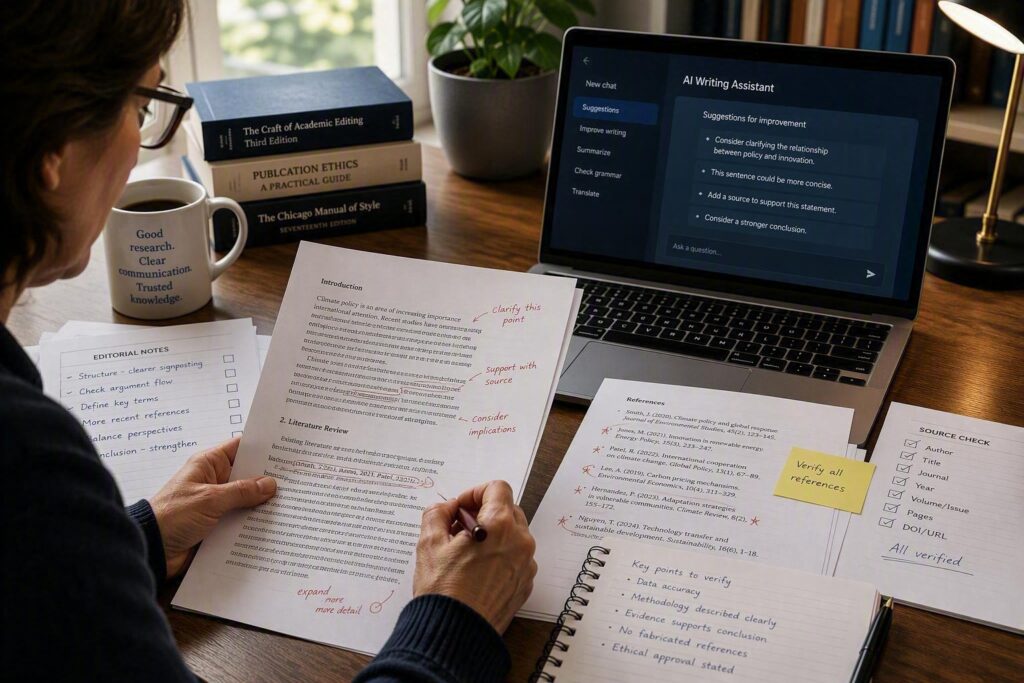
AI May Replace Proofreading. It Won’t Replace Responsibility
Darren Chastney | 2 September 2026 The debate about artificial intelligence in academic publishing often swings between two extremes. On one side are predictions that AI will transform scholarly writing. On the other are warnings that it will undermine research integrity. Both positions miss something important. The real issue is not whether AI can produce […]
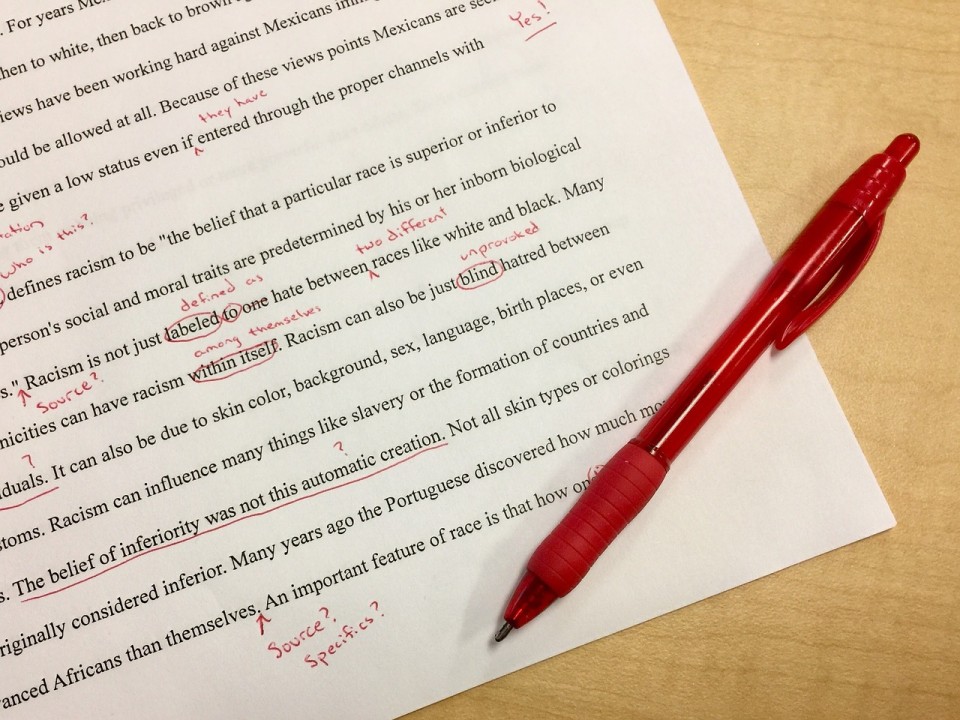
What 20 Years of Editing Has Taught Me
When I started editing professionally more than 20 years ago, I thought my job was about correcting grammar. I couldn’t have been more wrong. After working on thousands of translations, research papers, marketing campaigns, websites, technical documents and, more recently, AI-generated texts, I’ve learned that the biggest challenges are rarely grammatical. They’re usually about clarity, […]

🎬 Another Outstanding Fest Anča!
The curtain has fallen on the 19th edition of the Fest Anča International Animation Festival, and what a fantastic week it has been. Once again, Žilina became a meeting place for filmmakers, artists and animation enthusiasts from around the world, celebrating creativity, innovation and the power of storytelling through animation. This year’s theme, FAKE, proved […]
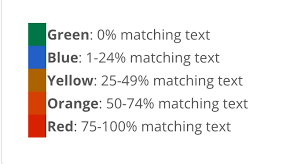
The Uncanny Valley of Academic Similarity Scores
What Is a “Similarity Score” — and Why Should Researchers Care? Many researchers are familiar with plagiarism detection software such as Turnitin or iThenticate, but fewer fully understand what a similarity score actually means. A similarity score is the percentage of text in a document that matches content already found in databases, journals, websites, student […]
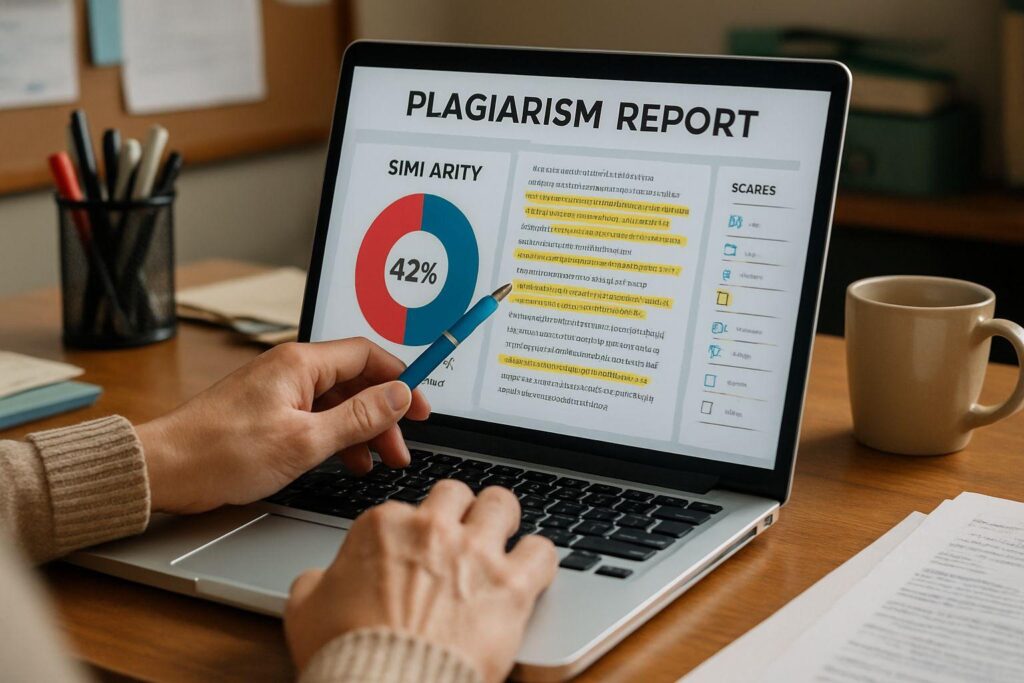
When AI Runs the Risk of Reputational Damage
The rapid adoption of generative AI in higher education has introduced a new and evolving risk: the intersection of AI-assisted writing and increasingly sophisticated detection systems. While AI tools are widely used to support drafting and editing, universities are simultaneously expanding the use of AI-detection technologies to identify undeclared machine-generated content. Recent reporting indicates thousands […]

What Gets Lost Between Languages (Even When the English Is Near Perfect)
In multilingual research environments, “good English” is often seen as the end goal. If a paper reads fluently, clearly, and without obvious errors, it is usually considered ready. But fluency can be deceptive. Because what is lost in translation is not always visible in the final text. A sentence may be: while still failing to […]

What Reviewers Really Notice (Even If They Don’t Say It)
When a paper is reviewed, feedback usually focuses on the big things: methodology, argumentation, contribution. But smaller language issues often play a quieter role in how that work is perceived. Not necessarily consciously—and not always explicitly stated. A sentence that is slightly ambiguous.A claim that feels just a little too strong.An explanation that requires a […]
When “Clear Enough” Isn’t Clear at All
In academic writing, clarity is often assumed rather than tested.