Savvy Lettuces? Cerebral Torment? When Academic AI Goes Rogue…
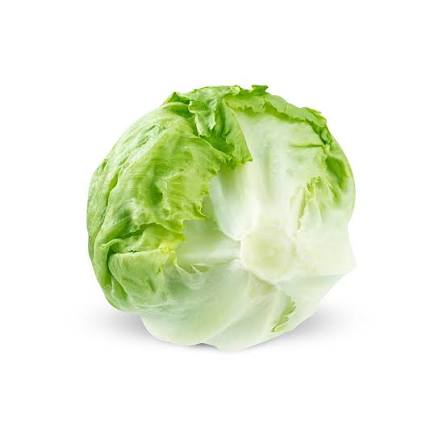
Few research integrity stories arrive with their own punchline. A recent round of retractions from IOP Publishing included papers containing phrases such as “cerebral torment” in place of headache, “savvy lattices” instead of smart grids, and “armada the board” instead of fleet management. Nearly 100 papers were ultimately withdrawn from three conference proceedings series after […]

The Great Pyramid Story Shows Why Publishing Still Needs Sceptics
Darren Chastney | 2 September 2026 Every so often, a story comes along that seems almost designed for the internet. Ancient mysteries. Hidden chambers. Cutting-edge technology. Bold claims that challenge established understanding. The recent retraction of a paper claiming to have identified concealed structures within the Great Pyramid of Giza had all of those ingredients. […]
AI May Replace Proofreading. It Won’t Replace Responsibility
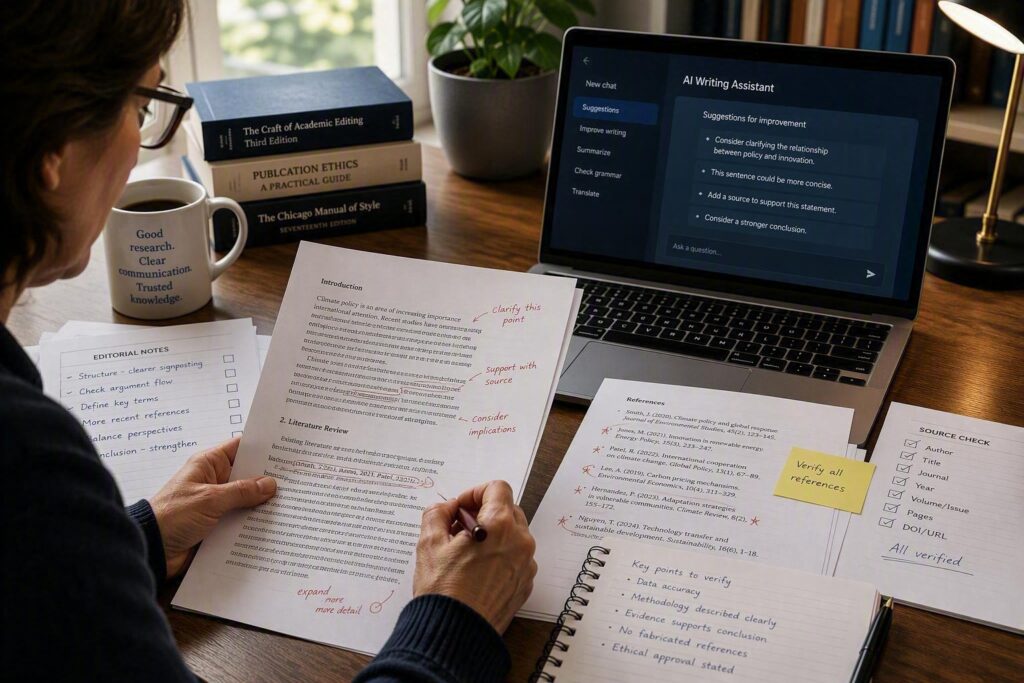
Darren Chastney | 2 September 2026 The debate about artificial intelligence in academic publishing often swings between two extremes. On one side are predictions that AI will transform scholarly writing. On the other are warnings that it will undermine research integrity. Both positions miss something important. The real issue is not whether AI can produce […]
What 20 Years of Editing Has Taught Me
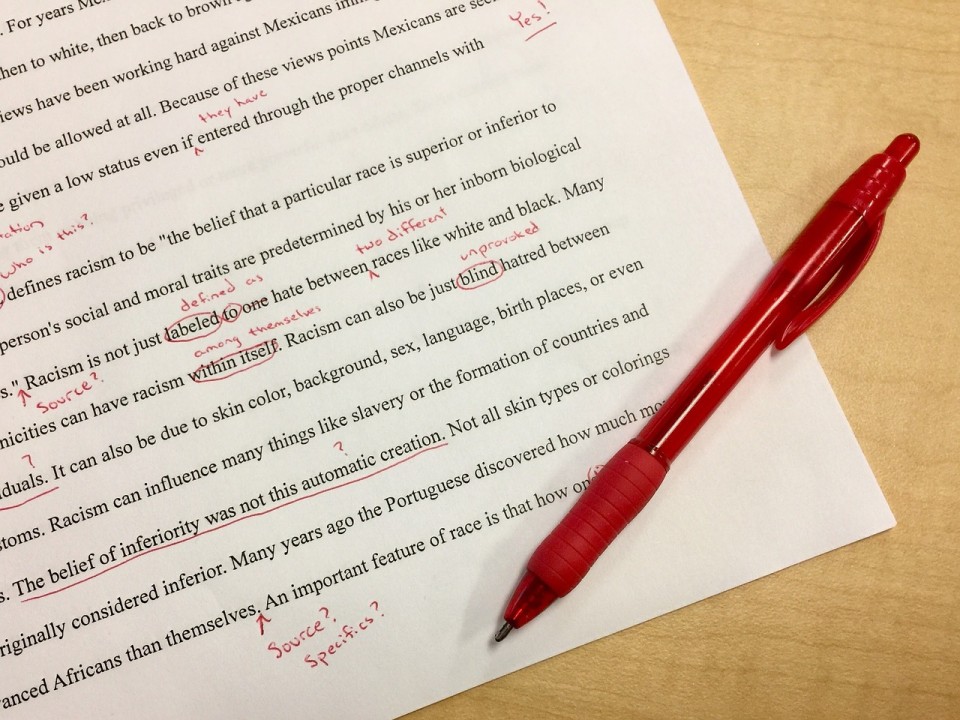
When I started editing professionally more than 20 years ago, I thought my job was about correcting grammar. I couldn’t have been more wrong. After working on thousands of translations, research papers, marketing campaigns, websites, technical documents and, more recently, AI-generated texts, I’ve learned that the biggest challenges are rarely grammatical. They’re usually about clarity, […]
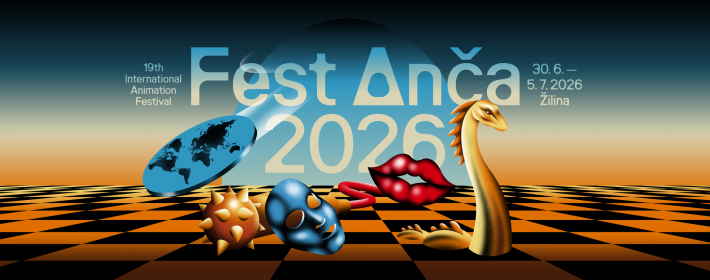
🎬 Another Outstanding Fest Anča!
The curtain has fallen on the 19th edition of the Fest Anča International Animation Festival, and what a fantastic week it has been. Once again, Žilina became a meeting place for filmmakers, artists and animation enthusiasts from around the world, celebrating creativity, innovation and the power of storytelling through animation. This year’s theme, FAKE, proved […]
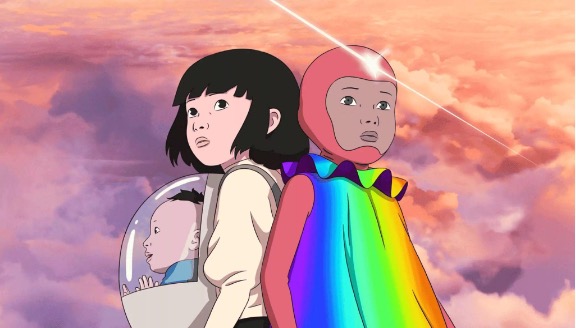
🎬 The Countdown to Fest Anča 2026 Begins
Darren Chastney | 24 June 2026 In just a few days, Žilina will once again become the home of international animation as the 19th edition of Fest Anča International Animation Festival opens on 30 June. This year’s theme, FAKE, could hardly be more timely. In an age of AI-generated content, deepfakes, manipulated images and competing […]

AI Doesn’t Just Learn From Authors. It Learns From Researchers Too.
When people talk about the copyright implications of artificial intelligence, the conversation usually centres on novelists, journalists, musicians, and artists. But there is another group whose work has quietly become part of the AI story: Researchers. Every journal article, conference paper, textbook chapter, and academic publication represents years of specialised work. Behind each publication are […]
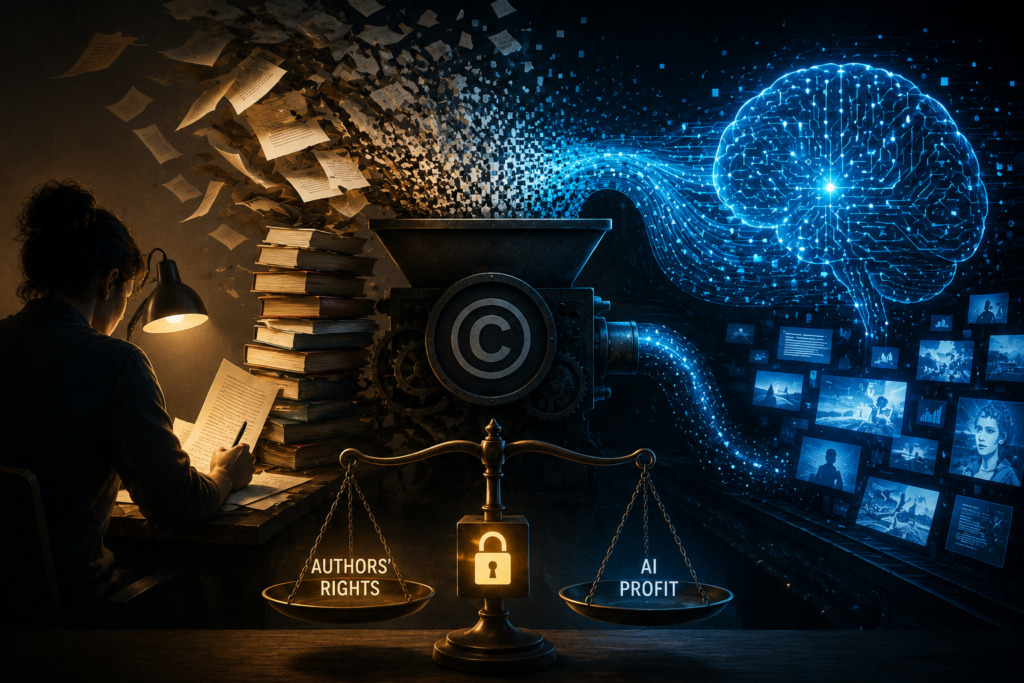
AI and Authors’ Rights: Can Innovation and Fairness Coexist?
Artificial intelligence is transforming the way we create, publish, translate, and consume content. Yet one of the most important questions remains unresolved: Who should benefit when AI systems are trained on the work of others? As part of my current editorial work with LITA (the Slovak Literary and Information Centre), I have been following ongoing […]
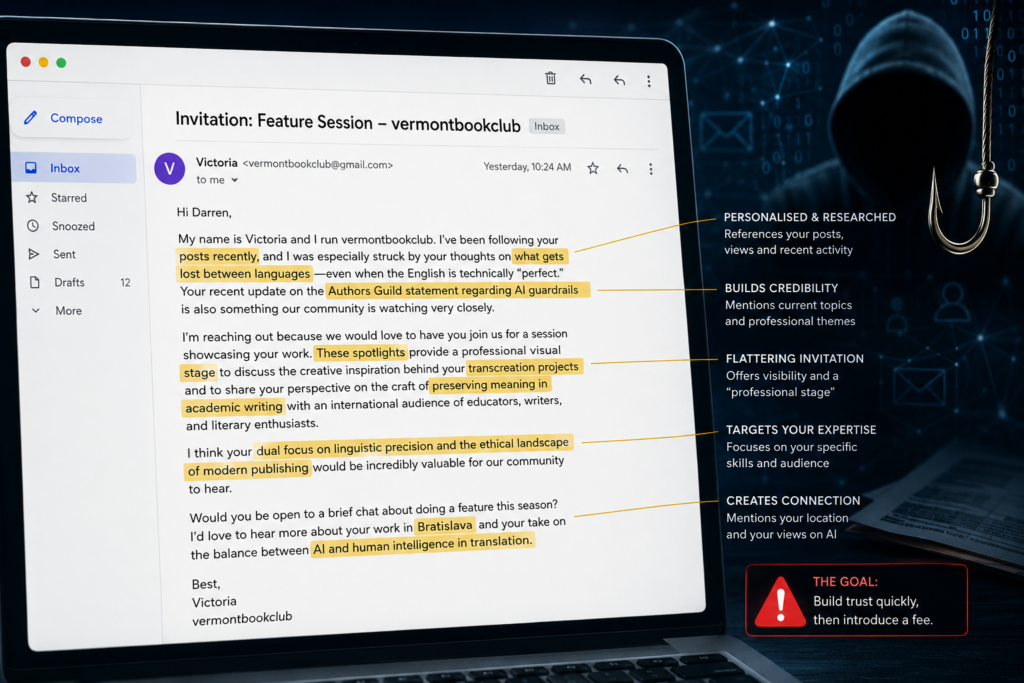
“Book Club” Scam Targets Content Producers
Darren Chastney May 25, 2026 A few days ago, I received an email from someone claiming to run a literary organisation called “vermontbookclub”. At first glance, it looked entirely legitimate. The sender referenced my recent posts about AI guardrails, translation ethics, and the challenges of preserving meaning between languages. They mentioned my work in Bratislava, […]
The Uncanny Valley of Academic Similarity Scores
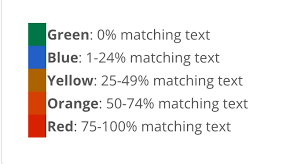
What Is a “Similarity Score” — and Why Should Researchers Care? Many researchers are familiar with plagiarism detection software such as Turnitin or iThenticate, but fewer fully understand what a similarity score actually means. A similarity score is the percentage of text in a document that matches content already found in databases, journals, websites, student […]